A First T20 Match: Follow the Crowd’s Cues and Customs
A first T20 match is easier to enjoy when you recognise cricket’s match-day customs, from the toss and team huddles to applause, appeals and the close.
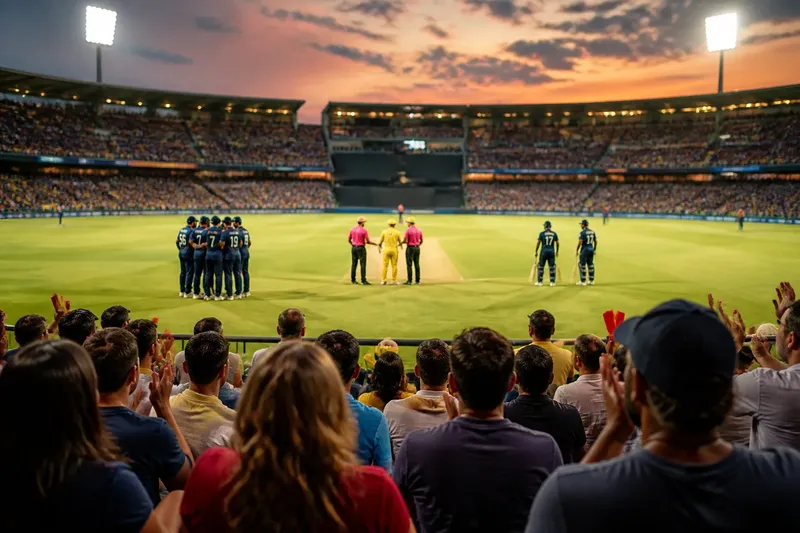
At a T20 match, the crowd may clap a batter’s first boundary, fall quiet for a bowler’s run-up, then rise as the fielders gather after a wicket. Those reactions are part of the occasion, and learning what prompts them makes your first T20 match easier to follow without turning it into a scorekeeping exercise.
What happens before the first ball?
Look for the toss, when the captains meet the match officials and one captain calls heads or tails. The winner chooses whether their team bats or fields first. That choice is a small piece of match-day ceremony, and the crowd’s reaction often signals that play is about to begin.
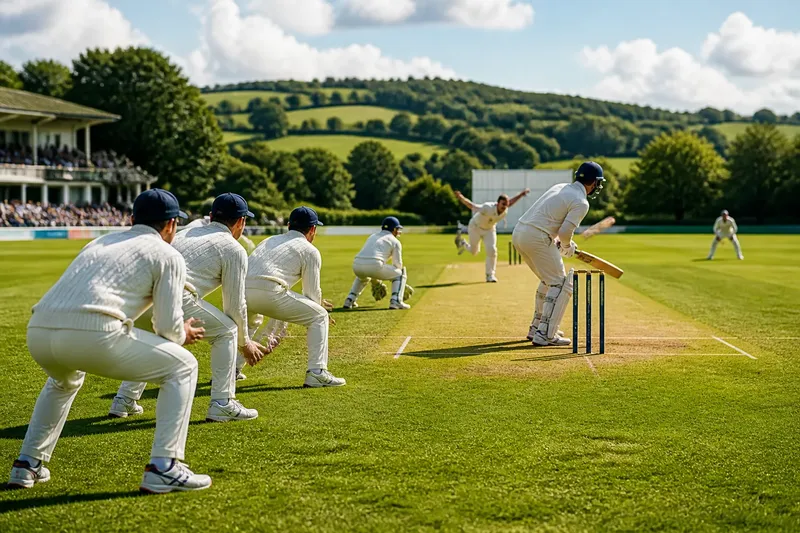
Then notice the teams taking their positions. The fielding side may form a brief huddle, while the opening batters walk out together and settle at the crease. A ground announcer, music or a moment of applause can mark the transition from anticipation to play.
Why does the crowd clap after a boundary?
A boundary brings an immediate response because the batter has struck the ball to the edge of the field, or over it. The crowd may applaud a well-timed shot even when it is hit towards a fielder, and the noise can swell when the ball reaches the rope.
There is no need to join every cheer. Listen for the difference between applause after a controlled shot and a sudden roar when a catch or boundary changes the mood. If you are unsure what happened, wait for the umpire’s signal and the players’ response rather than guessing from the sound alone.
How do players mark a wicket?
After a dismissal, teammates often congratulate the bowler and gather briefly before returning to their positions. The departing batter leaves the field, and the next batter comes in; the pause gives both sides a moment to regroup. A crowd may applaud the outgoing player as well as cheer the fielding side.
Appeals have their own rhythm. Fielders may call loudly when they believe the batter is out, but an appeal is not itself a dismissal: the umpire’s decision is what matters. If the umpire signals not out, play continues; if the umpire gives the batter out, the teams move on to the next batter and delivery.
Which match-day customs should I recognise?
These customs can help you read the occasion without needing to know every tactic. Each one has a visible cue and a sensible way to respond:
- If the captains meet with the umpires before play, watch for the toss; then expect the winning captain to choose whether to bat or field.
- If the fielders gather after a wicket, give them a moment to celebrate and reset; then watch for the next batter to take the crease.
- If the crowd applauds a departing batter, treat it as recognition of the innings rather than evidence that the crowd disagrees with the dismissal; then follow the incoming batter.
- If fielders appeal and the umpire signals not out, accept that play carries on; if the umpire gives out, expect the dismissed batter to leave.
- If players pause while an umpire checks a close decision, wait for the decision before reacting; then follow the umpire’s signal and the players’ response.
- If the crowd stands or claps during a break, look for a pause in play or an announcement; then wait for the players and officials to indicate that the match is ready to resume.
What should I watch during a quiet pause?
Between deliveries, players reset, the batter may adjust gloves or guard, and the bowler returns to their mark. These small routines are ordinary parts of the contest, not signs that something has gone wrong. The umpire’s gestures and the players’ readiness tell you when the next ball is close.
Imagine you are watching with a friend and the crowd suddenly quietens as the bowler begins a run-up. You see the batter settle, the umpire move clear and the fielders crouch; after the ball, applause follows a neat defensive shot. The useful reading is simple: the hush marks concentration, and the applause recognises the skill, even though no boundary has been scored.
Why do the teams gather at the end?
When play ends, players may shake hands, congratulate one another or meet near the middle of the ground. Those gestures recognise the contest and the people who took part, regardless of which team won. The presentation that follows may include a brief address and an award for an outstanding performance.
As a spectator, you can stay seated until the teams have left the field and follow any instructions from stewards. It is not worth trying to identify every chant or memorise the names of every ceremony; the broad cues—applause, a gathering, an official signal—are enough to understand what is happening.
What should I listen for at a first T20 match?
Why does the crowd go quiet before a delivery?
Spectators often quieten so they can watch the bowler and batter, especially during a tense passage. The hush usually breaks when the ball is struck, fielded or called dead.
Why do spectators applaud an opponent?
Applause can recognise a skillful performance or a batter leaving after a notable innings. It need not mean that spectators have changed sides; it is often a courteous response to the moment.
What does an umpire’s raised finger mean?
It signals that the batter has been given out. The dismissed batter leaves the field, and the next batter comes in before play resumes.
Should I join a chant if I do not know the words?
You can listen, clap along if you feel comfortable, or simply enjoy the atmosphere. There is no need to join in, and it is best to avoid chants that target or insult an individual.
How can I enjoy the customs without losing the match?
Choose a few cues to follow: the toss, the response after a wicket, the umpire’s signal and the way the crowd changes its volume. The main search phrase, “first T20 match”, does not have to mean learning a rulebook in advance; recognising these familiar pauses and reactions is a useful start.
Keep the scorecard in the background if numbers distract you. When the crowd reacts, look towards the players and officials for the reason; when it settles, enjoy the small routines that make a cricket ground feel like a shared occasion.